






Bone health may not always be top of mind, but nutritional gaps that can affect it can begin much earlier in life. Data from the 2023 National Nutrition Survey (NNS) show that calcium intake remains low across multiple Filipino age groups. Among adolescents aged 13 to 18, 85.4% did not meet the Estimated Average Requirement (EAR) for calcium, while 91.4% of Filipino adults aged 19 to 59 and 91.3% of older Filipinos aged 60 and above also did not meet the EAR.
The concern extends beyond the Philippines. A May 2026 paper published in the Annals of the New York Academy of Sciences introduced the Global Calcium Dashboard, a platform compiling country-level data on calcium intake, related health outcomes, and calcium policies. The researchers described low calcium intake as a widespread global health problem, with inadequate intake linked to health concerns including osteoporosis and fractures.
On October 20, World Osteoporosis Day brings renewed attention to lifelong bone health. The 2026 campaign, “Build, Protect, Strengthen Your Bones for Life,” emphasizes that every stage of life matters, from building strong bones during childhood and adulthood to protecting against osteoporosis and fractures later in life.
The occasion also comes as the Philippines strengthens its approach to osteoporosis care. The country has introduced updated clinical practice guidelines for the prevention, screening, diagnosis, and management of primary osteoporosis and fragility fractures, updating the previous 2011 guidance. The guidelines emphasize prevention and appropriate assessment of osteoporosis risk, including addressing calcium and Vitamin D insufficiency or deficiency among appropriate at-risk populations.
For Filipinos, this reinforces the importance of taking a proactive approach to bone health, starting with the nutritional foundations that support strong bones. Adequate calcium is one part of this equation, while Vitamin D plays an important role in helping the body absorb calcium. Regular physical activity, including weight-bearing and strengthening exercises, is also recommended as part of maintaining bone health.
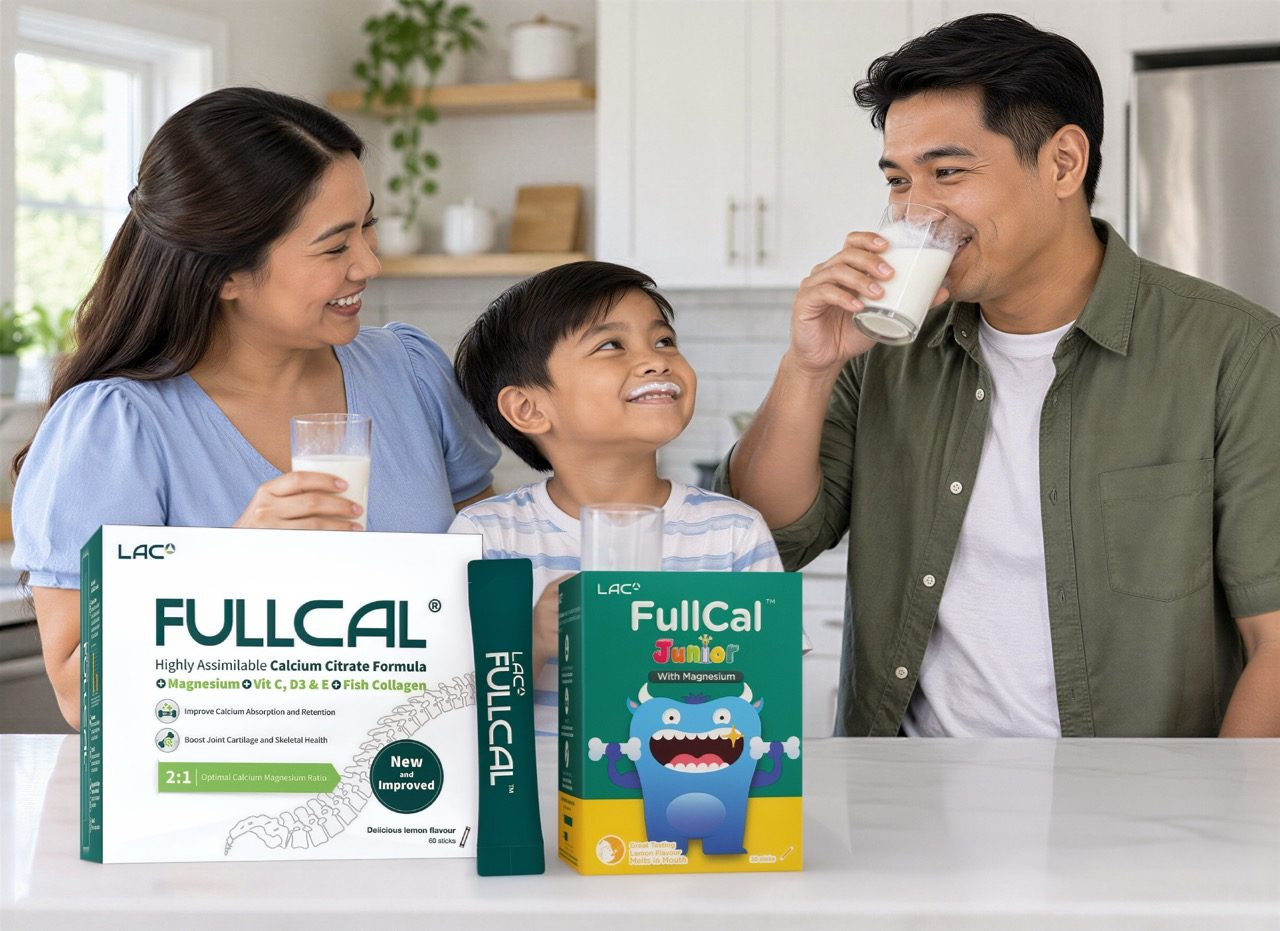
As part of its commitment to everyday wellness, LAC Philippines offers LAC FullCal®, a convenient calcium citrate powder formulated to support bone and skeletal health. Each serving provides a 2:1 Calcium-to-Magnesium ratio, with magnesium supporting the body’s use of calcium while also contributing to healthy nerve and muscle function. LAC FullCal® also contains Vitamin D to help support calcium absorption, high-grade fish collagen peptides to support overall skeletal health, and Vitamin C to support collagen production.
Its powder format offers an alternative for those who may find tablets or capsules difficult to swallow, making it convenient for busy individuals. Each stick can be taken on its own or mixed with water or a preferred beverage, with a recommended intake of one stick twice daily.
Nutritional supplements can complement dietary intake, but they work best alongside a balanced diet and healthy lifestyle. Calcium-rich foods, adequate Vitamin D, regular physical activity, and appropriate medical assessment when needed all have a role to play in supporting bone health.
This World Osteoporosis Day, LAC Philippines encourages Filipinos to look beyond the visible signs of health and pay attention to the foundations that support the body every day. Strong bones are built and maintained over time, making bone health worth supporting at every stage of life