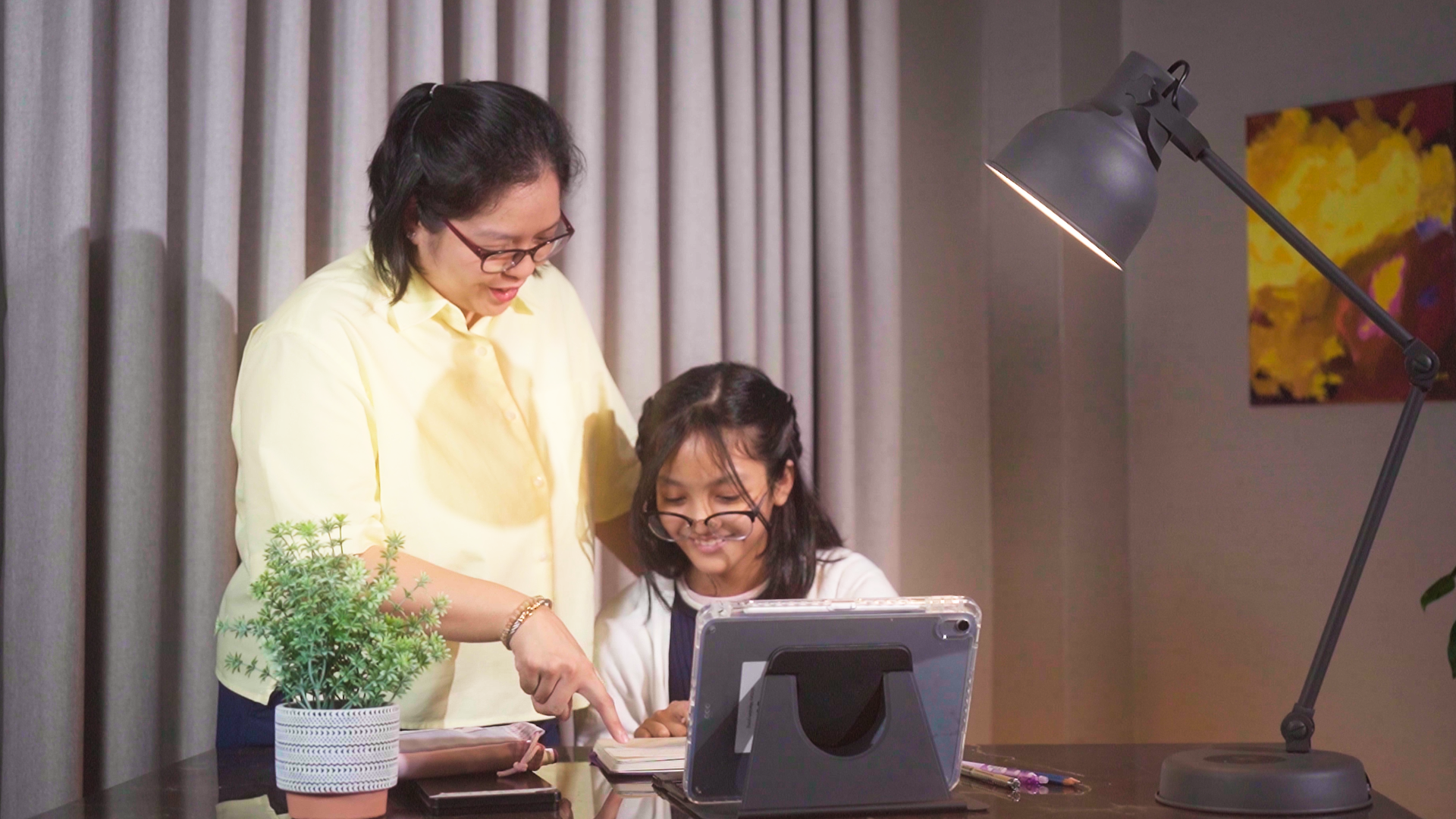







Your child may have access to school, a stable internet connection, and the devices they need to learn. They may attend classes regularly and complete their schoolwork; however, access to education and completion of tasks don’t always mean they are learning. So, as parents, we must ask ourselves: Does my child really understand the lesson after doing their schoolwork?
That question matters in a country where learning gaps remain significant. The World Bank’s 2023 estimate found that 91% of 10-year-olds in the Philippines cannot read and understand an age-appropriate text. More recently, the 2025 Programme for International Student Assessment (PISA) showed improved scores among Filipino 15-year-olds, although they still scored below the OECD average in mathematics, reading, and science. Meanwhile, the Second Congressional Commission on Education (EDCOM 2) reported that only 30.52% of Grade 3 learners were rated as proficient or highly proficient in 2024, with proficiency rates progressively dropping at later grade levels.
These figures are not mere statistics. They raise a simple but important question: Can a child explain what they have learned and use it beyond the assignment?
Virgilio Mallari began asking himself that question when his son, Ainsley, was in Grade 10.
“Lagi ko namang nakikita na tinatapos ng anak ko lahat ng modules niya, minsan nga mas maaga pa,” he shares. “Pero kapag kinukumusta ko siya at tinatanong kung ano ang natutunan niya, nahihirapan siyang magpaliwanag.”
Submitted Does Not Mean Understood
In traditional classrooms of 30 or more students, teachers can find it difficult to see if learners truly understood the lesson. Grades are recorded, outputs are submitted, and teachers provide remarks, but these do not always indicate that a lesson has been understood.
When learning shifted online, the question remained the same.
“It is not always possible to tell in a typical week whether an entire class has truly understood the material,” Carlos Angelo Morales, a junior high school English teacher, said. “Most of our interactions happen through the platform, so I only get direct insight into a student’s understanding during our synchronous sessions, particularly when I call on them to answer questions or explain their thinking.”
As time went on, Teacher Carlos realized that finishing schoolwork and understanding lessons are not always the same thing. A learner can complete activities, follow instructions, and still struggle to explain what they actually learned after the lesson ends.
That was when Virgilio started looking at learning differently. It was no longer just about completing requirements. He wanted to see how his son was learning, where he needed support, and whether he was truly understanding the lessons along the way.
Learning Shaped by Structure and Flexibility
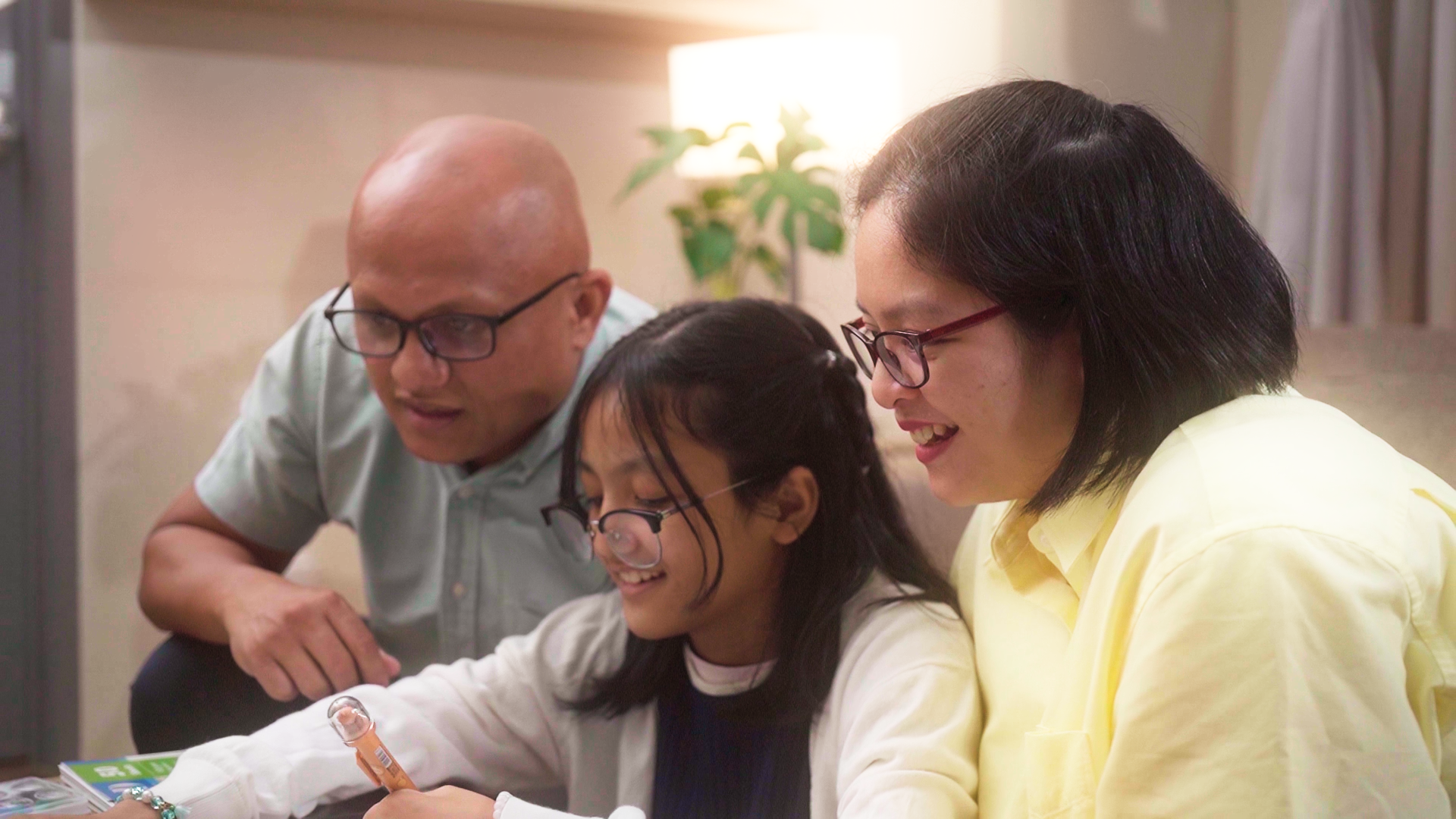
It was a distinction Virgilio found reflected in NTC Homeschool: Smart Class.
Children can learn at their own pace, while families can shape their schedules around what works best for them.
“Dito sa NTC, hindi namin gustong nagdadalawang-isip ang mga magulang sa kalagayan ng pag-aaral ng anak nila,” Jhanine Barateta, NTC Homeschool: SmartClass Program Lead, says. “Hindi lang kami completion, but also comprehension. Importante na dala ng bata ang natutunan niya saan man siya mapunta,” she adds..
Assessments within the program are not simply checkboxes. They are designed to help parents and teachers see whether a child truly understands the lesson, can apply what they have learned, and is ready to move forward with confidence.
Subject Matter Experts remain actively involved throughout the learning journey. Rather than simply uploading lessons and waiting for submissions, they continuously guide students while helping parents see where their child is doing well and where more support may be needed.
Virgilio is not alone in this realization. For Ma. Elizabeth Domingo Villamor, a Primary Learning Adviser and the aunt of Grade 10 student Elizah Zabiel Villamor, homeschooling gave her a better understanding of her niece’s learning progress.
Through performance-based assessments, NTC Homeschool: SmartClass helps parents see whether their child has internalized the lessons.
“Nung nalaman ko ang NTC Homeschooling at in-enroll ko ang pamangkin ko, nawala yung dati kong pag-aalala kung may natutunan ba talaga siya. Mas naintindihan ko kung saan siya mas natututo at sa paanong paraan siya mas ginaganahang mag-aral,” she says. “Dahil sa performance-based assessments at tulong ng teachers, mas napapadali malaman kung paano ko pa matutulungan ang pamangkin ko sa pag-aaral niya.”
Education becomes more meaningful when parents and guardians can see their child’s progress–not just through completed requirements, but through what they understand, apply, and carry forward. Through NTC Homeschool: SmartClass, Virgilio and Ma. Elizabeth gained greater insight into their children’s learning progress, allowing them to stay informed, involved, and confident every step of the way.
Learn how NTC Homeschool: SmartClass gives your child the freedom to learn at their own pace–and gives you greater visibility into how they are progressing. For more information, visit https://ntc.edu.ph/ or follow their official social media pages.