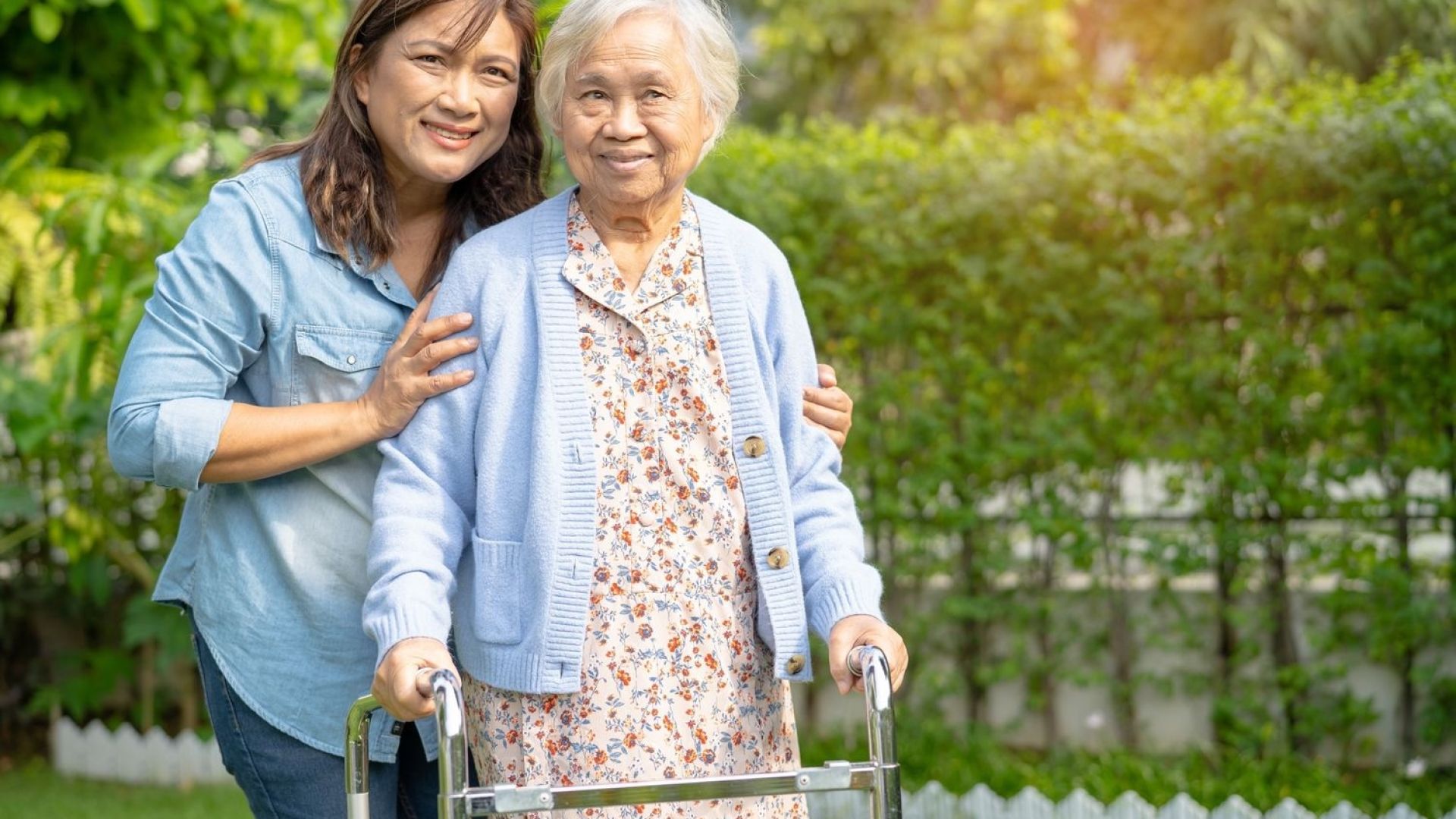






For many Filipinos, aging is something to think about “balang araw.” But what if that balang araw is arriving sooner than expected? Stroke, digestive diseases, hypertension, and even neurological disorders are now emerging among adults as young as their 30s, conditions that were once mostly seen in older age groups.
According to the Philippine Health Statistics 2021 report by the Department of Health, lifestyle-related illnesses continue to rise among younger populations due to poor diet, inactivity, stress, and irregular sleep patterns. The reality is clear: the choices we make in our 20s and 30s can have a profound effect on how we live in our 50s and beyond.
From Chronological to Biological Age
Age is more than just a number. While chronological age measures how many years we’ve lived, biological age reflects how well our body systems are functioning. In its Ageing and Health fact sheet, updated in 2024, the World Health Organization (WHO) explains that getting older isn’t just about counting years. What really drives aging is the gradual build-up of small amounts of damage inside our cells and organs over time. These changes, the WHO explains, are “neither linear nor consistent, and only loosely associated with a person’s age in years.” That’s why two people who are both 40 can have very different levels of health—one may function like someone much younger, while another may experience decline more typical of someone older. In fact, some 80-year-olds retain physical and mental capacities comparable to people in their 30s
The World Health Organization notes that healthy aging is not defined by the absence of disease, but by “the process of developing and maintaining the functional ability that enables well-being in older age.” In other words, aging well is less about counting the years and more about preserving strength, purpose, and quality of life at every stage.
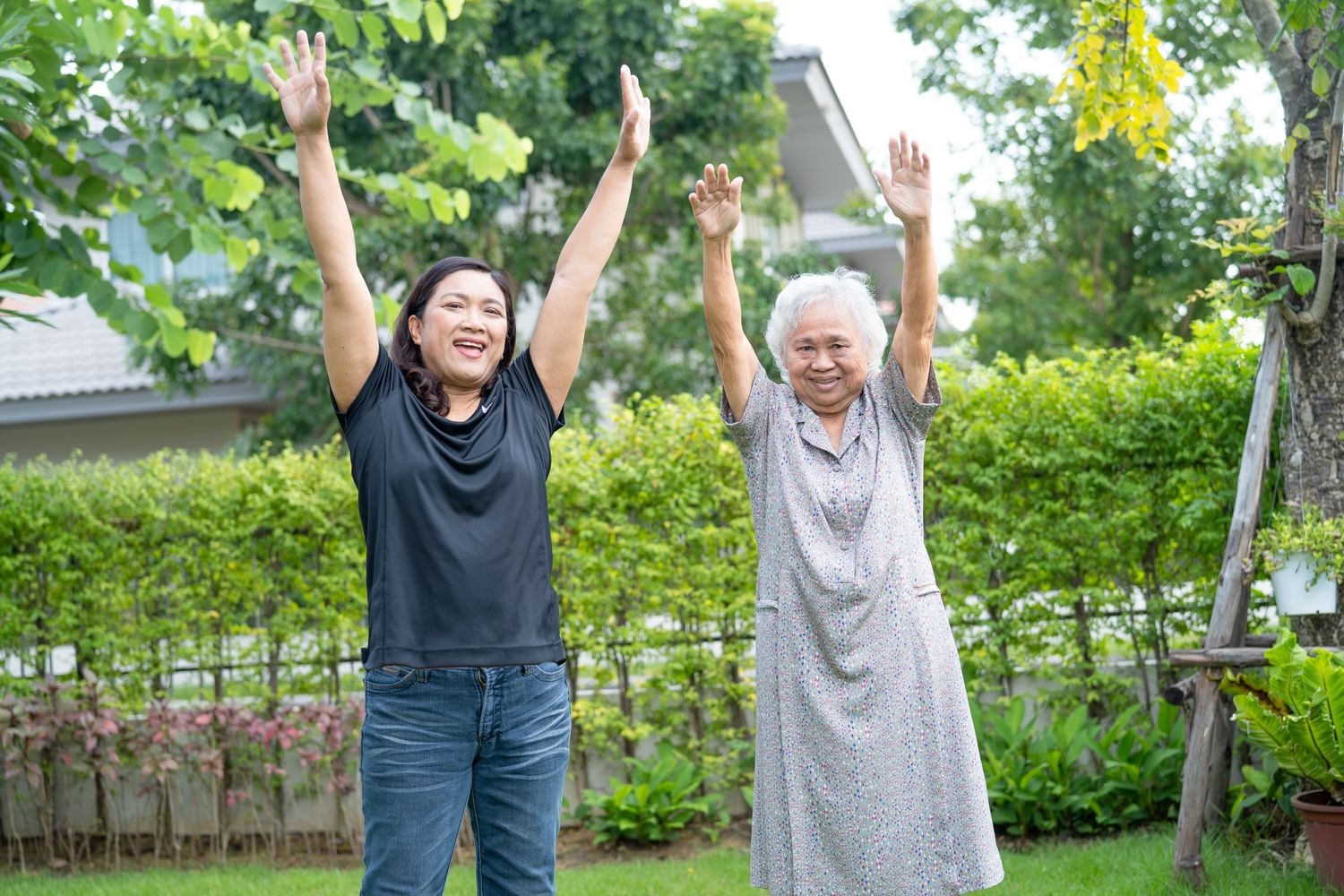
Healthy aging doesn’t happen overnight; it begins with consistency. Small, intentional habits, regular movement, balanced nutrition, rest, and stress management — form the foundation for long-term wellness.
Prevention Is the New Longevity
Preventive wellness has gone from being a mere idea to a necessity. In the past, treating disease was the focus; today, we prioritize preventing it. The modern approach to health isn’t about simply living longer—it’s about living stronger. Movement maintains circulation and muscle tone. Rest restores the body’s cellular defenses. Mental balance stabilizes hormones and supports immunity.
These everyday choices contribute to long-term resilience. Millennials and Gen Z adults, who’ve witnessed the health struggles of older generations, are increasingly prioritizing wellness. They view it as an investment—not a luxury. The next generation is focused on pro-resilience: the capacity to age strong, not just long.
Nutrition as a Core Ally: EnPlus Gold
Despite the growing awareness of health, busy lifestyles often leave nutritional gaps. This is where EnPlus Gold, an adult nutritional powder drink, can make a difference.
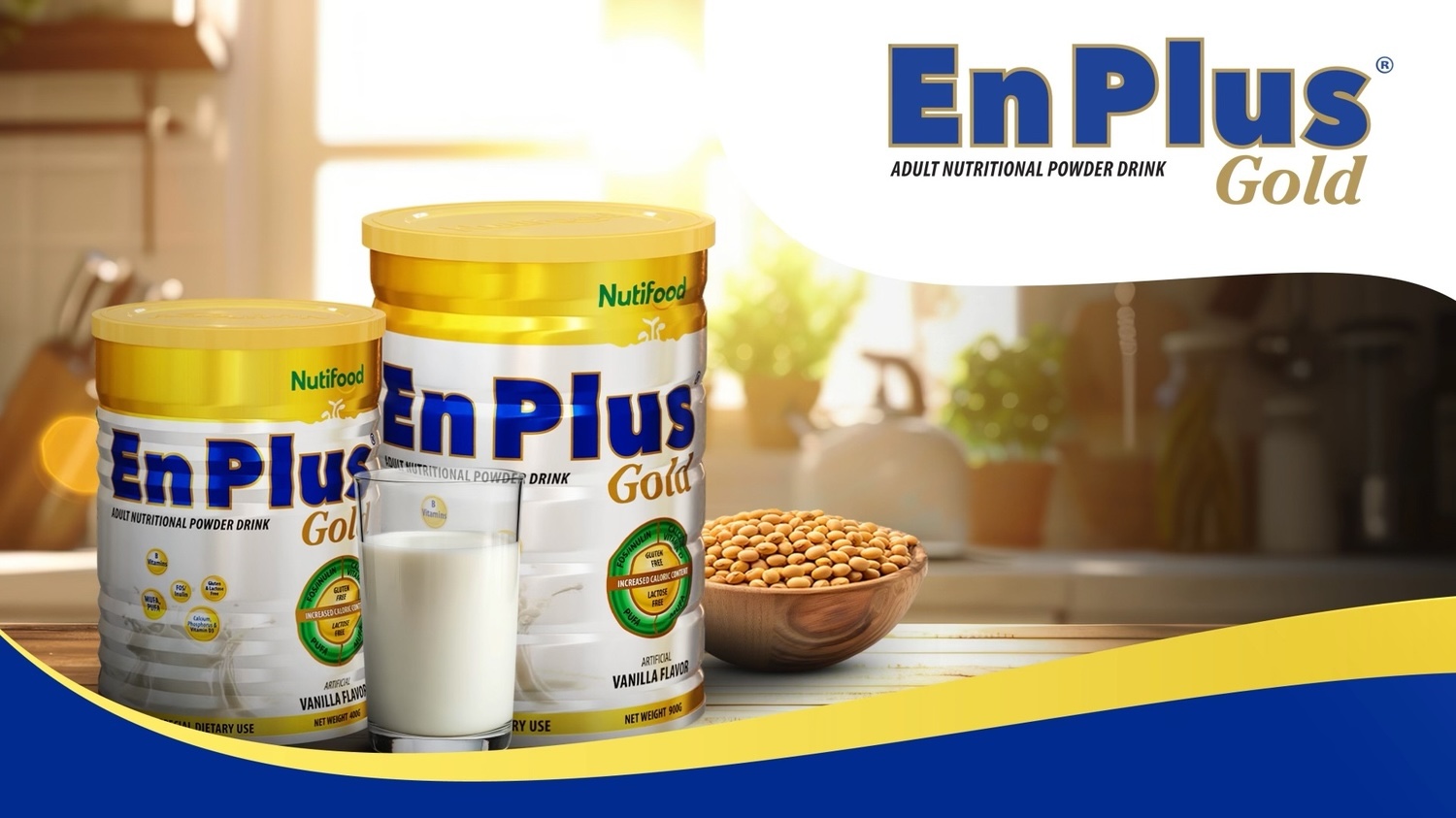
EnPlus Gold offers a balanced, complete nutritional profile with high-quality protein, essential vitamins, and minerals to support muscle strength, energy metabolism, and digestive function. Regular intake of EnPlus Gold complements an active lifestyle, ensuring that the body receives the nutrients it needs to stay strong, resilient, and energized.
Good health isn’t something you achieve overnight—it’s built with consistency. With the right nutrition, balanced habits, and mindset, aging doesn’t have to be about decline; it becomes a continuous investment in vitality.
The Bottom Line
The best time to start healthy aging was balang araw. But as we’ve learned, balang araw is actually ngayon na.
By moving more, resting better, and nourishing wisely, we’re giving our future selves the gift of strength and clarity. Aging well isn’t about defying time; it’s about preparing for it.
So whether you’re 30 or 50, the message is the same: your best years don’t have to be behind you. With balance, consistency, and the right nutritional ally, you can age strong, live smart, and stay golden—today and every day.
References:
Department of Health. (2022). Philippine Health Statistics 2021. Health Policy Development and Planning Bureau. https://doh.gov.ph/statistics
World Health Organization. (2022, October 1). Ageing and health. https://www.who.int/news-room/fact-sheets/detail/ageing-and-health
López-Otín, C., & Kroemer, G. (2021). Hallmarks of health. Cell, 184(1), 33–63. https://doi.org/10.1016/j.cell.2020.11.034