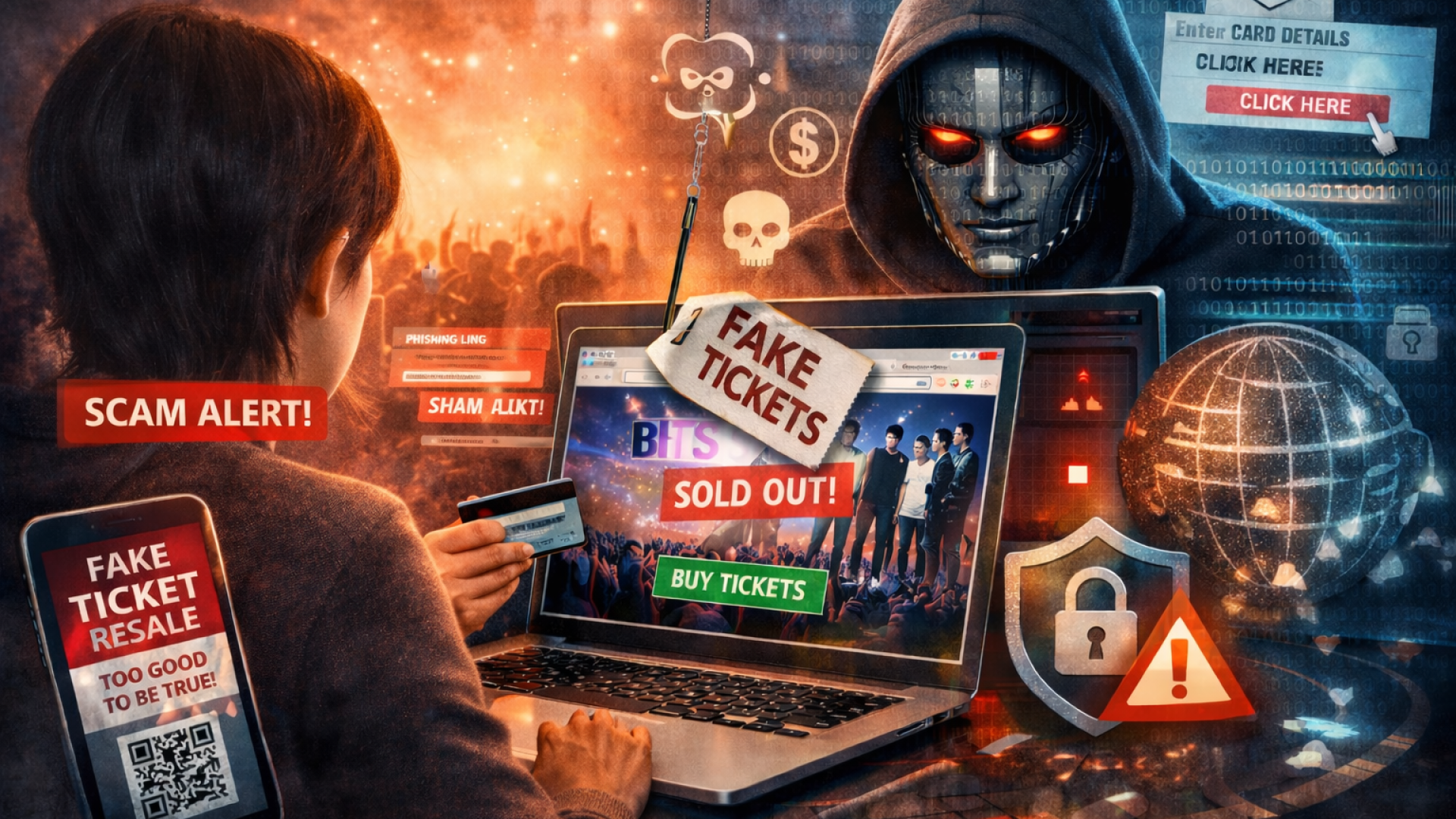







Global cybersecurity firm Kaspersky warns that the Philippines’ growing appetite for live events and entertainment, combined with the rise of online ticketing, is creating new opportunities for cybercriminals.
Sam Yan, Head of Sales for Asia Emerging Countries at Kaspersky, said that cybercriminals are using artificial intelligence (AI) to create scams that look more legitimate and are harder to detect, putting consumers at greater risk.
In an earlier report, Kaspersky highlighted how AI is reshaping the cyber threat landscape across the entertainment sector, from ticketing platforms and content delivery networks to games and digital services.
Cybercriminals are exploiting high-demand events and time-sensitive purchases by setting up fake ticketing websites, phishing links, and fraudulent resale offers that closely mimic legitimate platforms. This, while scam pages promoted through social media and messaging apps are becoming increasingly difficult to distinguish from authentic sellers.
These findings are highly relevant to the Philippines, where digital entertainment consumption and online transactions continue to accelerate. The risk is heightened during peak periods such as holidays, major concerts, and sold-out shows, when buyers are under pressure to act quickly and are more likely to lower their guard.
“As ticketing scams become more sophisticated, it’s increasingly important for consumers to stay informed and cautious online, while the private sector and regulators continue working together to protect digital transactions. With the Philippine entertainment industry continuing to grow, cybersecurity must keep pace to help preserve consumer trust and safe digital experiences,” Sam Yan said.
Kaspersky advises consumers and businesses in the Philippines to take the following precautions to reduce the risk of ticketing-related scams:
For individuals:
- Purchase tickets only through official websites or authorized sellers, and be cautious of resale offers promoted through social media or messaging apps
- Avoid clicking on ticket links sent via unsolicited emails, texts, or private messages, even if they appear to come from known brands or events
- Double-check website URLs and page details for spelling errors, unusual payment requests, or design inconsistencies before entering personal or payment information
- Use strong, unique passwords and enable multi-factor authentication on accounts used for ticketing, email, and digital payments
- Install reliable security solutions that can help detect phishing websites and fraudulent pages in real time
For businesses:
- Monitor ticketing platforms, websites, and social media channels for impersonation or fraudulent use of brand names and logos
- Educate employees and partners on AI-driven phishing and social engineering tactics, especially during peak event and holiday seasonsImplement advanced endpoint protection and threat detection solutions, such as Kaspersky Next, to identify and respond to suspicious activity across devices and workloads
- Strengthen incident detection and response capabilities through centralized monitoring and visibility to quickly contain potential threats